Plenary 3 • Edible Food Recovery
Plenary 3 • Edible Food Recovery
Learn how community fridges, addressing on-farm food loss, and building community power can reduce food waste, advance community-led food access, and strengthen community resilience.
When: October 22, 2026 • 1:10 pm
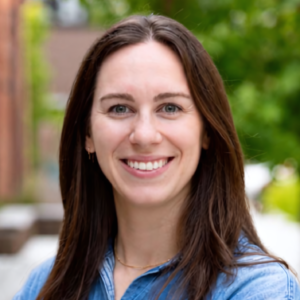
Community-Led Food Rescue Powered By Collaboration, Hayden Dansky
Food Rescue Alliance is a network of local food rescue organizations working together to advance community-led food access and build collective power.
Local food rescue initiatives across the country tackle the environmental and social problems of food waste through community-based solutions that recognize each community knows what it needs best. Grocery chains, farms, financial resources, recipient sites, cultural needs, and barriers all vary across communities, cities, and regions. Local organizations understand their communities best, which allows them to reduce food distribution barriers. By emphasizing collaboration with community, deep trusting relationships, and direct distribution models, food rescue initiatives rescue and redistribute this food to individuals and families living on low-incomes.
Food Rescue Alliance (FRA) is a network of grassroots, community-based, local food rescue organizations building collective power. The network shares resources and innovative approaches to strengthen on the ground work and advance shared goals and values. We do this through providing technical assistance, member-led workshops, collective advocacy and regional organizing meetings, resource sharing, mentorship programs, and collective care work. Instead of a one-size-fits-all model, our network believes that food access is best addressed at the local level by member organizations who’ve developed strong community relationships. FRA can serve as a model for initiatives across different waste sectors. Valuing the diversity of models while also sharing resources and best practices, and connecting across common challenges can be helpful for any organizations working towards movement change.
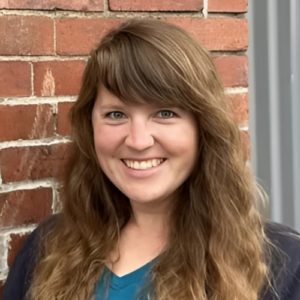
Launching a Freedge: A Step-by-step Guide, Chelsea Hilmoe
This session highlights the development of a practical, community-driven Freedge Manual, built from hands-on experience and local partnerships.
Every day, perfectly edible food ends up in the landfill while our neighbors struggle with food insecurity. Community fridges—often called Freedges—offer a simple, people-powered solution to bridge this gap. These publicly accessible refrigerators and pantries invite anyone to share surplus food and anyone in need to take what they need, no questions asked.
In this session, we’ll share the creation and evolution of our Freedge Manual, a practical, community-driven guide for launching, maintaining, and sustaining free community fridges. Developed through hands-on experience and collaboration with local partners, the manual covers essential topics such as food safety, volunteer coordination, partnerships, maintenance systems, and long-term sustainability. Attendees will gain not only step-by-step tools and templates, but also inspiration from real-life examples of Freedges in Whatcom and Skagit County. We’ll highlight how these community fridges help reduce food waste, expand food access, and strengthen environmental sustainability within our communities.
What is on Farm Food Loss and How Can Gleaning Help, Shawn Peterson
A look at the gleaning movement to see how it is helping reduce types, quality, and quantity of food left behind on farms.
As one of the leading experts on the Gleaning, Shawn will guide participants on a journey to better understand farm food loss. Drawing on the results of 2 years of on-farm data collection done by gleaners around the country. We will take a look at the current state of on-farm food loss and what it means for farmers, policy makers, eaters, and the world. Will use the data to explore possible solutions to ensure more of this amazing food is eaten.
We will then take a look at the current gleaning movement. We will discuss what part it plays in on-farm food loss and how you might support similar efforts in your communities. This presentation will be an interactive exploration of the problem and solutions, so please come prepared to share your thoughts and ideas.